Dresden, Germany
Implementation of a new SPI system from Göpel Electronic at Cicor Deutschland GmbH
Cicor Deutschland GmbH has further expanded its manufacturing expertise and successfully installed a new SPI (solder paste inspection) system from manufacturer Göpel Electronic in September 2025. With this investment, Cicor is strengthening its technological leadership in the field of highly reliable electronics manufacturing and taking another step towards comprehensive process automation and quality optimisation.
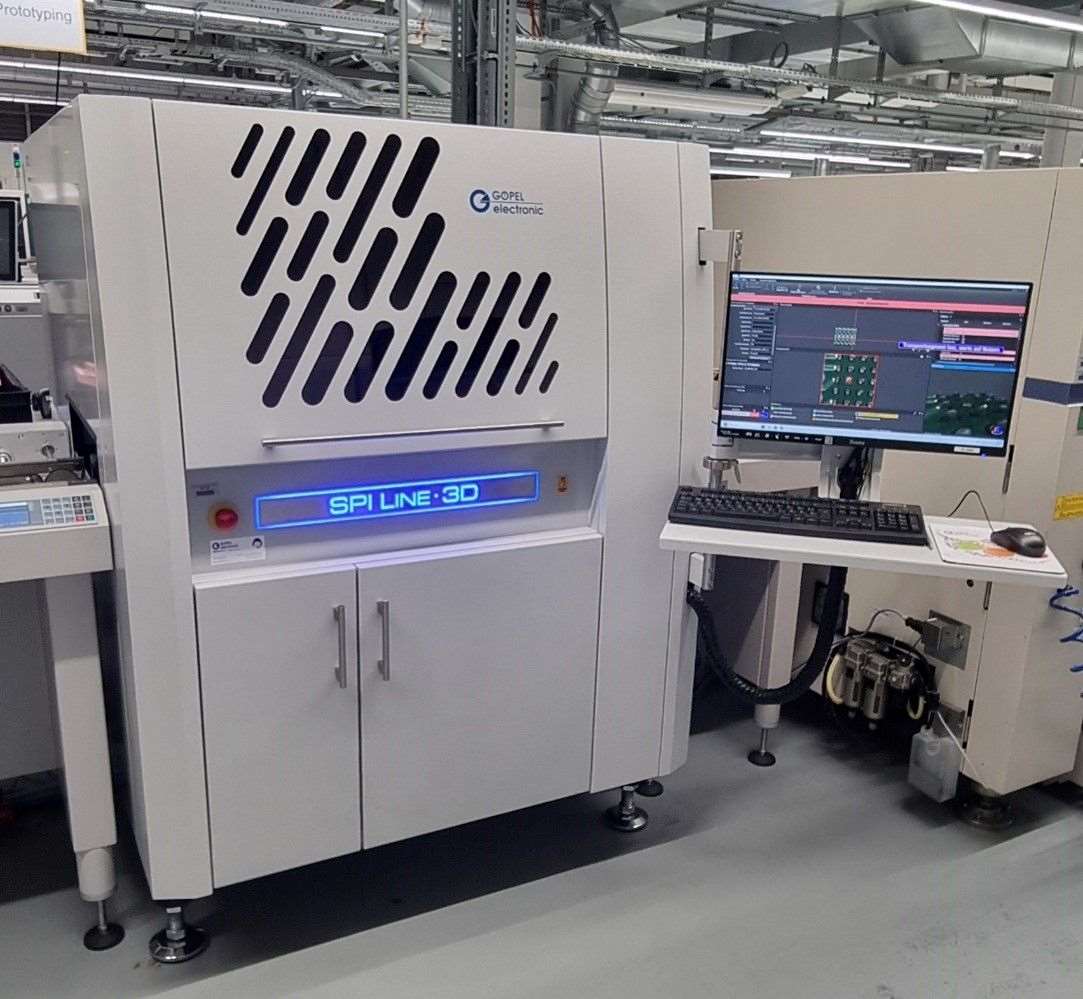
The new SPI solution has been perfectly integrated into the existing SMT line and allows for super-accurate, fully automated control of the applied solder paste. Thanks to state-of-the-art 3D measurement technology, the system provides detailed analyses of paste volume, print height and area, as well as possible printing errors. This not only ensures early detection of potential sources of error, but also significantly reduces scrap and rework.
The system manufacturer Göpel Electronic, a leading provider of industrial testing and inspection systems, is known for its powerful and flexibly configurable solutions. The SPI system now in use is characterised by high inspection speed, modular testing functions and comprehensive traceability options. The inspections carried out are fully documented and made available for further analysis.
In addition to the technical advantages of the system, Cicor Germany also benefits from Göpel's strategy of basing the SPI system on its AOI device line in terms of both hardware and software. This means that the CAD data created and prepared for AOI programming can also be used for SPI programming. This represents a significant advantage in terms of efficient programme creation. The PILOT 7 software used has been familiar to Cicor Germany for years, so a brief introduction was sufficient to train the AOI programming specialists in the use of the SPI test functions.
The MagicKlick software function also supports the programmer in creating programmes for SPI and, together with adaptive height and reflection compensation, ensures programmes that deliver very high-quality test results and a very low pseudo-error rate even without time-consuming fine teaching. This enables rapid test programme creation even for demanding PCB surfaces.
Cicor Germany uses the SPI system not only to inspect solder paste, but also to check adhesive deposits. The adhesive is applied after solder paste printing, typically by jet valve. Its purpose is to fix components that could be washed away during the selective soldering process due to very small distances to THT solder joints. In addition to height and volume, the SPI also checks the diameter and position of the adhesive deposit. Variations in the adhesive deposit due to contaminated jet nozzles are thus reliably detected.
Since the installation of the system, several test programmes have already been written and successfully used in series production. The process technologists at Cicor Germany have also already identified various fluctuations in the solder paste printing process. To prevent these fluctuations from becoming potential errors, the recorded inspection data is now being used to continuously optimise the solder paste printing process across all assemblies.
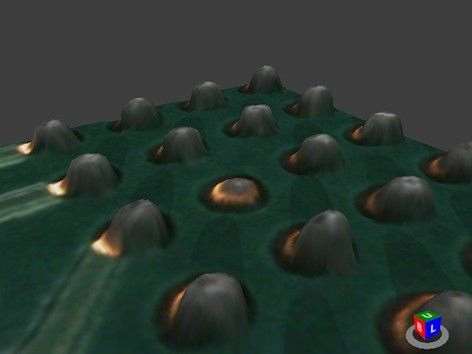
With the new SPI system, Cicor Deutschland GmbH is consistently focusing on state-of-the-art testing technology to ensure the highest quality standards and meet the growing demands of a dynamic electronics market. In conjunction with the newly acquired EN9100 certification, the company is further strengthening its expertise in the field of quality assurance for aerospace applications. The Cicor site in Dresden is thus once again underlining its claim to be a reliable EMS partner with excellent process standards that can be audited in accordance with EN9100.
Thomas Schönfeld
Engineering, Cicor Deutschland GmbH